
Best Shopify Order Management Apps to Cut Support Tickets
Best Shopify Order Management Apps to Cut Support Tickets
Best Shopify Order Management Apps to Cut Support Tickets

Order editing is one of those sources on its own: 92.2% of post-purchase edits are completed by the customer with no support agent involved (Revize, 2026), which means the ticket never gets created in the first place. Most stores try to cut support tickets by buying a better help desk. It rarely moves the number much, because support tickets are not one problem. They come from several different sources, and each source needs a different kind of app. A help desk makes you faster at answering tickets. It does not stop them from being created.
The stores that actually shrink their support volume map each ticket source to the tool that removes it. The single highest-return move for most of them is not a help desk at all. This guide breaks down where Shopify support tickets actually come from, which app category reduces each one, and why the order-change tickets, roughly a quarter to a third of your volume, are the ones you can make disappear entirely.
Quick Answer
The fastest way to cut Shopify support tickets is to match each ticket source to the right app: a tracking app for "where is my order," a self-serve order editor for address and cancellation requests, a returns app for returns, and a help desk for everything else. The most overlooked move is self-serve editing, because it removes order-change tickets entirely instead of answering them faster. For that category, Revize leads, as the only self-serve editor with both a free plan and the Built for Shopify badge.
Where Shopify Support Tickets Actually Come From
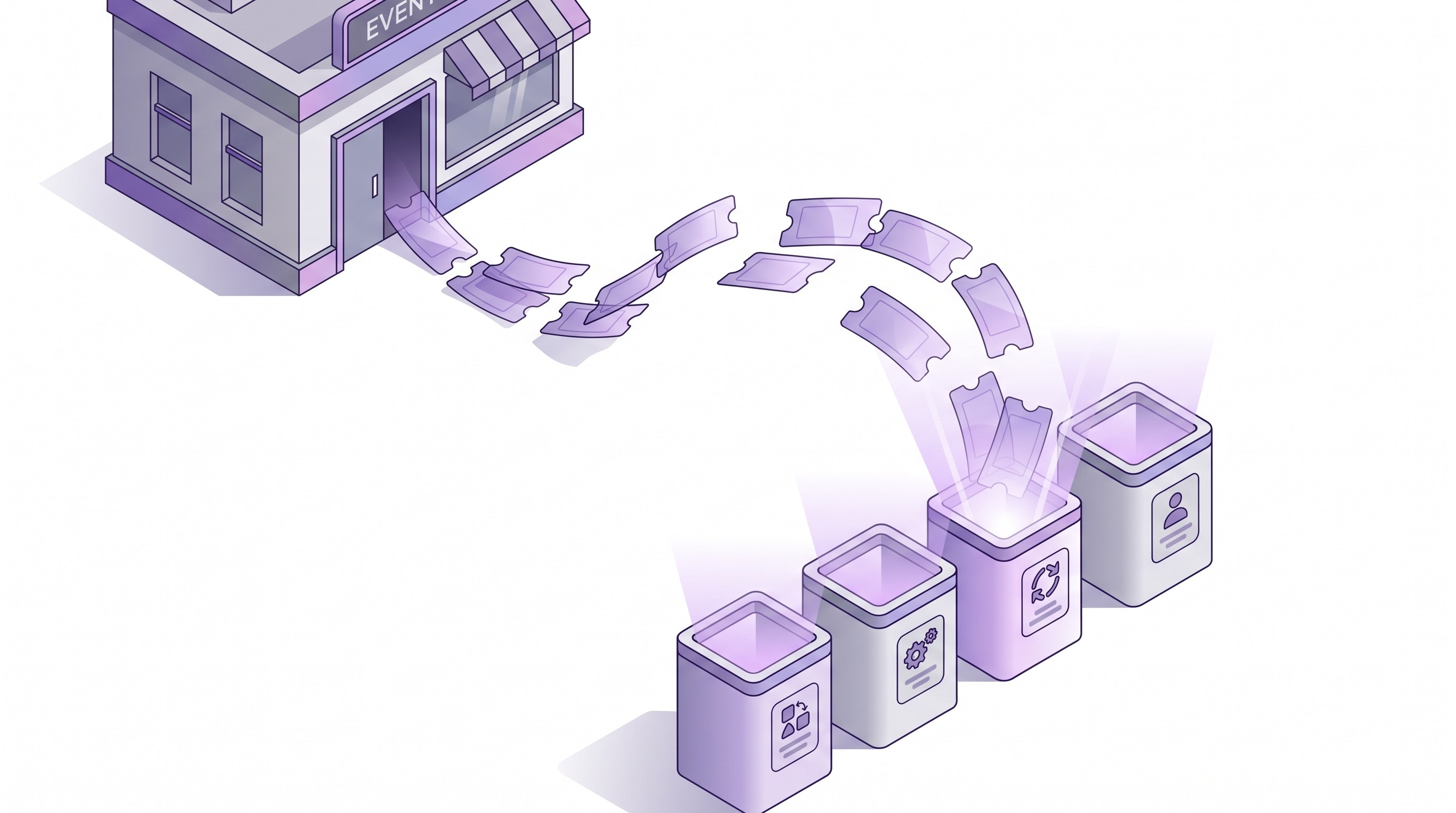
Before buying any app, look at what your tickets are actually about, because the mix decides which tool pays back first. No single 2026 report itemizes every category precisely, but triangulating across Gorgias, Zendesk, and Richpanel data gives a reliable picture.
"Where is my order" (WISMO): the largest single category, roughly 30 to 50% of contacts for most DTC stores, higher for dropshipping and electronics
Order changes (wrong address, wrong variant, quantity, cancellation): roughly a quarter to a third of tickets
Returns and refunds: the next major block after WISMO
Product questions, account issues, and edge cases: the remainder
The economics make the case for deflection. Each manually handled ticket costs somewhere around three to eight dollars in agent time, and industry estimates put 60 to 80% of tickets in the deflectable or automatable range. The question is not whether to reduce them, but which category to attack first, and with what.
Prevent, Remove, or Resolve: The Distinction That Matters
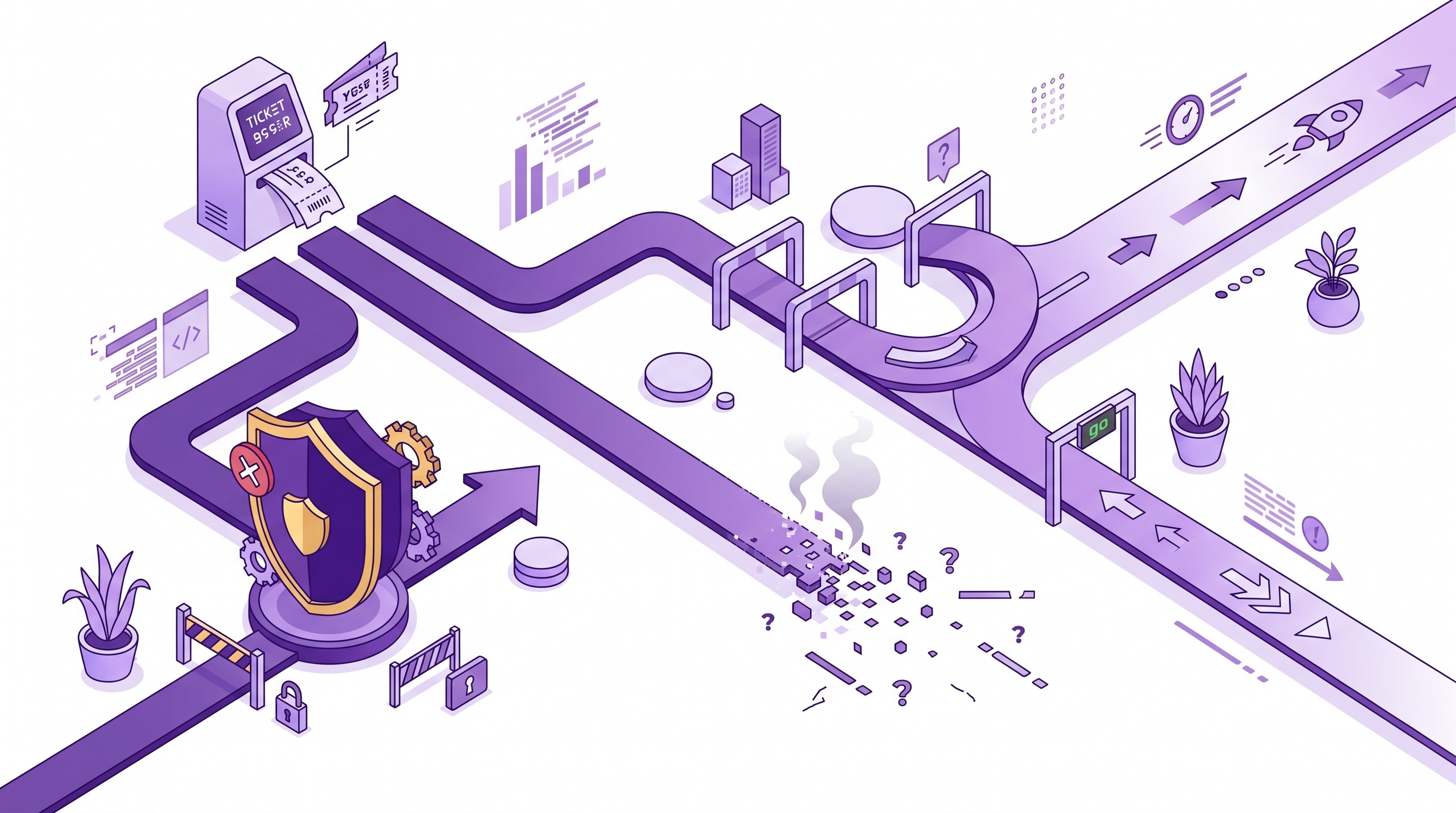
Apps reduce tickets in three fundamentally different ways, and confusing them is why most stores overspend on help desks. Get this framing right and the buying decision becomes obvious.
Prevent: a tracking app answers "where is my order" before the customer asks, through branded tracking pages and proactive delivery updates. The WISMO ticket is prevented.
Remove: a self-serve order editor lets the customer fix their own address or cancel their own order. No ticket is ever created, because the customer never needed to contact you.
Resolve: a help desk or AI agent answers a ticket faster. The ticket still exists and still consumes a touch; it is just handled more efficiently.
Here is the part the roundups miss. A help desk, even a great one with an AI agent, lives in the "resolve" column. It is essential for the questions that genuinely need a human or an answer. But it does nothing to stop the order-change ticket from being created in the first place. Only a self-serve editor removes that ticket entirely, and removed tickets cost nothing.
The Right App for Each Ticket Source
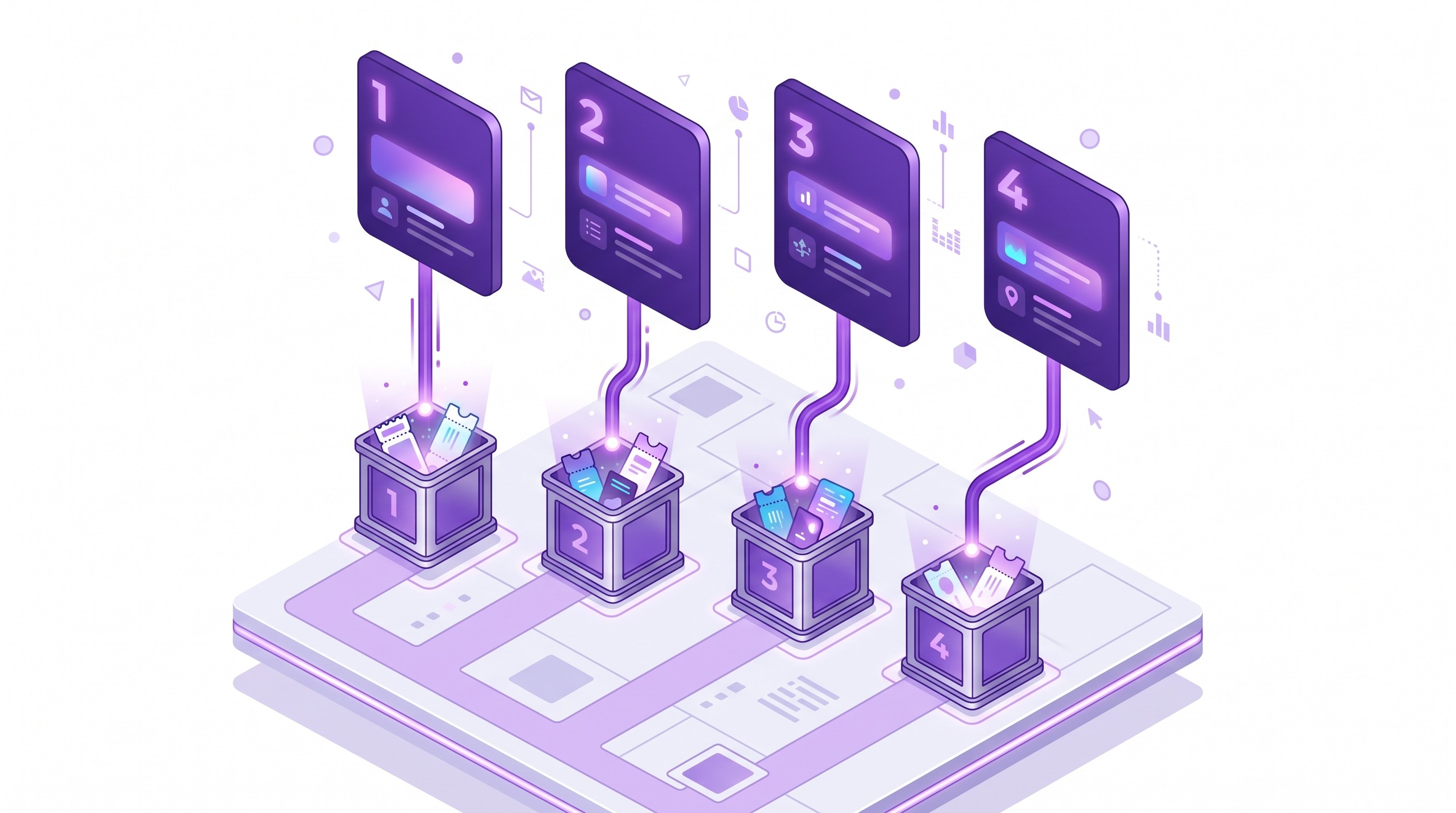
Match the tool to the source, and build a stack rather than betting everything on one app. Here is the map, with live App Store data as of June 2026.
Ticket source | Approx share | App category | What it does to the ticket | Leader |
|---|---|---|---|---|
Where is my order (WISMO) | 30 to 50% | Shipment tracking | Prevents | AfterShip |
Order changes (address, variant, cancel) | A quarter to a third | Self-serve order editing | Removes | Revize |
Returns and refunds | Large | Returns and exchanges | Self-serves | Loop |
Product, account, edge cases | Remainder | Help desk and AI | Resolves faster | Gorgias, Richpanel |
WISMO: a tracking app
For "where is my order," a tracking app is the answer. AfterShip is the category leader, with a 4.5 rating across more than 1,200 reviews and the Built for Shopify badge. It cuts WISMO tickets by keeping customers informed with branded tracking pages and proactive email and SMS updates, so they never have to ask. We compare it in detail in our Revize vs AfterShip guide.
Returns: a returns app
For returns and refunds, a dedicated returns app handles the RMA flow and turns refunds into exchanges or store credit. Loop is the most established option (4.7 stars, 400-plus reviews), though it does not carry the Built for Shopify badge despite its deep integration.
Everything else: a help desk
For product questions, account issues, and genuine edge cases, a help desk or AI agent is the right tool. Gorgias (4.3 stars, 600-plus reviews) and Richpanel (4.8 stars, 127 reviews) are the common picks. Neither carries the Built for Shopify badge, and both resolve tickets rather than removing them, which is exactly their job for the questions that need a real answer.
Order Changes: The Category You Can Erase
Order-change tickets are the highest-return category to attack, because they are large, self-serveable, and the most urgent for the customer. A shopper who mistypes their address wants it fixed now, before the order ships. That urgency is why these tickets spike and why they frustrate both sides.
Put numbers on it. If order changes are 30% of a store's 3,000 monthly tickets, that is 900 tickets, and at roughly six dollars each, about 5,400 dollars a month spent handling requests a customer could have self-served in seconds. A self-serve editor removes most of that line item, not by answering faster, but by making the contact unnecessary in the first place.
This is the category Revize removes. Customers fix their own orders after checkout, change the shipping address, swap a variant, adjust quantity, or cancel with an instant refund, inside a configurable edit window with a fulfillment hold so nothing ships mid-edit. Revize holds a 5.0 rating across 102 reviews and is the only app in this category with both a genuine free plan and the Built for Shopify badge. Revize reports merchants see roughly 38.5% fewer support tickets (a Revize-reported figure).
It also scales. A conditions-based rules engine gates editing on order value, day and time, customer and order tags, metafields, sales channel, customer type, and shipping details, alone or combined, so a store doing tens of thousands of orders a month keeps precise control over who can change what. Brands like Square Enix run it at that volume. The two other genuine self-serve editors, OrderEditing.com (5.0 stars, 300 reviews) and Cleverific (4.6 stars, 235 reviews), are capable, but neither offers a free plan, and only Revize pairs one with the Built for Shopify badge. If you want to see it, Revize is on the Shopify App Store.

How to Build Your Ticket-Reduction Stack
Start with your own data, not a roundup's ranking. Pull a 90-day export of your support tickets and tag each one by source: WISMO, order change, return, or other. The percentages tell you where to spend first.
If WISMO dominates, add a tracking app so customers stop asking where their package is.
If order changes are heavy, add a self-serve editor like Revize, since those tickets can be removed entirely rather than just answered.
If returns are a burden, add a returns app to take the RMA flow off your team.
For the irreducible remainder, a help desk keeps response times low on the questions that genuinely need a person.
The complete stack is usually a tracking app plus a self-serve editor plus a help desk, with a returns app if your category sees high return rates. Most stores already own the help desk and are missing the self-serve editor, which is why adding one tends to produce the fastest visible drop in volume. Our order management guide covers how these pieces connect.
Frequently Asked Questions
What is the best app to reduce Shopify support tickets?
There is no single app; the best results come from matching each ticket source to the right tool. A tracking app cuts "where is my order" tickets, a self-serve order editor removes address and cancellation tickets, a returns app handles returns, and a help desk resolves the rest. For the largest self-serveable category, order changes, Revize is the leader, and the only one with a free plan and the Built for Shopify badge.
Do help desk apps actually reduce ticket volume?
Help desks resolve tickets faster, but they do not usually reduce how many are created. Tools like Gorgias and Richpanel route, automate, and answer tickets, and AI agents can fully handle some Tier-1 requests. That lowers cost per ticket and response time, which matters. But the ticket still exists. To shrink volume itself, you need apps that prevent or remove tickets, such as tracking and self-serve editing.
What percentage of Shopify support tickets can be deflected?
Industry estimates put 60 to 80% of ecommerce tickets in the deflectable or automatable range. The largest single category is "where is my order," roughly 30 to 50% of contacts, much of which self-service tracking can prevent. Order changes add another quarter to a third, nearly all of which a self-serve editor can remove. The exact mix varies by store, so tag a 90-day sample to size your own opportunity.
Which tickets should I try to eliminate first?
Start with whichever category is largest in your own ticket data, but order-change tickets often give the fastest payback. They are a quarter to a third of volume for many stores, they are highly self-serveable, and they are the most time-sensitive, since customers want changes before fulfillment. Removing them with a self-serve editor tends to show up quickly in your volume because the customer never opens a ticket at all.
How much does a support ticket cost?
Each manually handled ticket costs roughly three to eight dollars in agent time, around six dollars on average. WISMO tickets alone consume several minutes of agent time each. At a few thousand tickets a month, the cost of handling deflectable tickets manually adds up quickly, which is why prevention and removal usually pay back faster than simply hiring more agents or buying a bigger help desk.
Does Revize replace my help desk?
No, Revize works alongside your help desk, not instead of it. Revize removes the order-change tickets so they never reach your help desk, while the help desk continues to handle product questions, account issues, and genuine escalations. The two are complementary: one shrinks the inbound volume, the other resolves what remains. Most stores run both.
Is AfterShip or Revize better for cutting tickets?
They cut different tickets, so most stores use both. AfterShip prevents "where is my order" tickets through tracking; Revize removes address, variant, and cancellation tickets through self-serve editing. Neither overlaps the other. Our Revize vs AfterShip comparison breaks down exactly where the line falls.
Is there a free app to reduce support tickets?
Yes, Revize offers a genuine free plan for self-serve order editing, and AfterShip has a free tracking tier. That lets you attack the two largest deflectable categories, order changes and WISMO, without an upfront commitment. Help desk apps like Gorgias and Tidio offer free or low-cost entry tiers as well, though most help desk pricing scales quickly with volume.
Are these apps Built for Shopify?
Among the apps here, Revize and AfterShip carry the Built for Shopify badge; Gorgias, Richpanel, Cleverific, and Loop do not. The badge is Shopify's highest certification for quality and performance, and it is a useful filter when several apps in a category look similar. For self-serve editing specifically, Revize is the only leader with both the badge and a free plan.
How long until I see fewer tickets?
Most stores see a measurable drop within the first few weeks of adding a prevention or removal app, as customers discover the self-serve options. The change is fastest for the categories you target directly: a tracking app shows up in WISMO volume, a self-serve editor in order-change volume. Tag your tickets before and after so you can attribute the drop to the right tool and decide what to add next.
Can I just use an AI agent to handle order changes automatically?
An AI agent can process an order change, but it still creates and works a ticket. That is faster than a human, but slower and costlier than the customer doing it themselves in a self-serve flow. For routine changes like address corrections and cancellations, removing the ticket with a self-serve editor beats resolving it with an agent. Reserve the AI agent for questions that genuinely need interpretation.
Will reducing tickets hurt my customer experience?
Usually the opposite. Customers prefer fixing a simple problem themselves in seconds over waiting for an email reply. Self-service for routine changes raises satisfaction while lowering volume, and it frees your team to spend more time on the complex issues that actually benefit from a human. Deflection done well is a better experience, not a worse one.
How many apps do I really need to cut tickets?
Most stores need two or three, not one. A self-serve editor and a tracking app cover the two largest deflectable categories, order changes and WISMO, and a help desk handles the remainder. A returns app is worth adding only if your return rate is high. Start with the one category that dominates your ticket data and expand from there.
The Bottom Line
Cutting Shopify support tickets is not about buying one app; it is about matching each ticket source to the tool that prevents, removes, or resolves it. A tracking app prevents WISMO, a help desk resolves the questions that need a person, and a self-serve order editor removes the order-change tickets that most stores are still handling by hand. That last category is the highest-return one to attack, and Revize is the leader for it, the only self-serve editor with both a free plan and the Built for Shopify badge. Tag your last 90 days of tickets, find your biggest deflectable category, and start there.
Related Articles
Updated August 2026. Revize is a Shopify app for customer self-serve post-purchase order editing, letting shoppers change the shipping address, swap a variant or product, cancel, and get a refund or store credit before fulfillment, without a support ticket. Learn more about letting customers edit their own Shopify orders, or find Revize on the Shopify App Store.
Order editing is one of those sources on its own: 92.2% of post-purchase edits are completed by the customer with no support agent involved (Revize, 2026), which means the ticket never gets created in the first place. Most stores try to cut support tickets by buying a better help desk. It rarely moves the number much, because support tickets are not one problem. They come from several different sources, and each source needs a different kind of app. A help desk makes you faster at answering tickets. It does not stop them from being created.
The stores that actually shrink their support volume map each ticket source to the tool that removes it. The single highest-return move for most of them is not a help desk at all. This guide breaks down where Shopify support tickets actually come from, which app category reduces each one, and why the order-change tickets, roughly a quarter to a third of your volume, are the ones you can make disappear entirely.
Quick Answer
The fastest way to cut Shopify support tickets is to match each ticket source to the right app: a tracking app for "where is my order," a self-serve order editor for address and cancellation requests, a returns app for returns, and a help desk for everything else. The most overlooked move is self-serve editing, because it removes order-change tickets entirely instead of answering them faster. For that category, Revize leads, as the only self-serve editor with both a free plan and the Built for Shopify badge.
Where Shopify Support Tickets Actually Come From
Before buying any app, look at what your tickets are actually about, because the mix decides which tool pays back first. No single 2026 report itemizes every category precisely, but triangulating across Gorgias, Zendesk, and Richpanel data gives a reliable picture.
"Where is my order" (WISMO): the largest single category, roughly 30 to 50% of contacts for most DTC stores, higher for dropshipping and electronics
Order changes (wrong address, wrong variant, quantity, cancellation): roughly a quarter to a third of tickets
Returns and refunds: the next major block after WISMO
Product questions, account issues, and edge cases: the remainder
The economics make the case for deflection. Each manually handled ticket costs somewhere around three to eight dollars in agent time, and industry estimates put 60 to 80% of tickets in the deflectable or automatable range. The question is not whether to reduce them, but which category to attack first, and with what.
Prevent, Remove, or Resolve: The Distinction That Matters
Apps reduce tickets in three fundamentally different ways, and confusing them is why most stores overspend on help desks. Get this framing right and the buying decision becomes obvious.
Prevent: a tracking app answers "where is my order" before the customer asks, through branded tracking pages and proactive delivery updates. The WISMO ticket is prevented.
Remove: a self-serve order editor lets the customer fix their own address or cancel their own order. No ticket is ever created, because the customer never needed to contact you.
Resolve: a help desk or AI agent answers a ticket faster. The ticket still exists and still consumes a touch; it is just handled more efficiently.
Here is the part the roundups miss. A help desk, even a great one with an AI agent, lives in the "resolve" column. It is essential for the questions that genuinely need a human or an answer. But it does nothing to stop the order-change ticket from being created in the first place. Only a self-serve editor removes that ticket entirely, and removed tickets cost nothing.
The Right App for Each Ticket Source
Match the tool to the source, and build a stack rather than betting everything on one app. Here is the map, with live App Store data as of June 2026.
Ticket source | Approx share | App category | What it does to the ticket | Leader |
|---|---|---|---|---|
Where is my order (WISMO) | 30 to 50% | Shipment tracking | Prevents | AfterShip |
Order changes (address, variant, cancel) | A quarter to a third | Self-serve order editing | Removes | Revize |
Returns and refunds | Large | Returns and exchanges | Self-serves | Loop |
Product, account, edge cases | Remainder | Help desk and AI | Resolves faster | Gorgias, Richpanel |
WISMO: a tracking app
For "where is my order," a tracking app is the answer. AfterShip is the category leader, with a 4.5 rating across more than 1,200 reviews and the Built for Shopify badge. It cuts WISMO tickets by keeping customers informed with branded tracking pages and proactive email and SMS updates, so they never have to ask. We compare it in detail in our Revize vs AfterShip guide.
Returns: a returns app
For returns and refunds, a dedicated returns app handles the RMA flow and turns refunds into exchanges or store credit. Loop is the most established option (4.7 stars, 400-plus reviews), though it does not carry the Built for Shopify badge despite its deep integration.
Everything else: a help desk
For product questions, account issues, and genuine edge cases, a help desk or AI agent is the right tool. Gorgias (4.3 stars, 600-plus reviews) and Richpanel (4.8 stars, 127 reviews) are the common picks. Neither carries the Built for Shopify badge, and both resolve tickets rather than removing them, which is exactly their job for the questions that need a real answer.
Order Changes: The Category You Can Erase
Order-change tickets are the highest-return category to attack, because they are large, self-serveable, and the most urgent for the customer. A shopper who mistypes their address wants it fixed now, before the order ships. That urgency is why these tickets spike and why they frustrate both sides.
Put numbers on it. If order changes are 30% of a store's 3,000 monthly tickets, that is 900 tickets, and at roughly six dollars each, about 5,400 dollars a month spent handling requests a customer could have self-served in seconds. A self-serve editor removes most of that line item, not by answering faster, but by making the contact unnecessary in the first place.
This is the category Revize removes. Customers fix their own orders after checkout, change the shipping address, swap a variant, adjust quantity, or cancel with an instant refund, inside a configurable edit window with a fulfillment hold so nothing ships mid-edit. Revize holds a 5.0 rating across 102 reviews and is the only app in this category with both a genuine free plan and the Built for Shopify badge. Revize reports merchants see roughly 38.5% fewer support tickets (a Revize-reported figure).
It also scales. A conditions-based rules engine gates editing on order value, day and time, customer and order tags, metafields, sales channel, customer type, and shipping details, alone or combined, so a store doing tens of thousands of orders a month keeps precise control over who can change what. Brands like Square Enix run it at that volume. The two other genuine self-serve editors, OrderEditing.com (5.0 stars, 300 reviews) and Cleverific (4.6 stars, 235 reviews), are capable, but neither offers a free plan, and only Revize pairs one with the Built for Shopify badge. If you want to see it, Revize is on the Shopify App Store.
How to Build Your Ticket-Reduction Stack
Start with your own data, not a roundup's ranking. Pull a 90-day export of your support tickets and tag each one by source: WISMO, order change, return, or other. The percentages tell you where to spend first.
If WISMO dominates, add a tracking app so customers stop asking where their package is.
If order changes are heavy, add a self-serve editor like Revize, since those tickets can be removed entirely rather than just answered.
If returns are a burden, add a returns app to take the RMA flow off your team.
For the irreducible remainder, a help desk keeps response times low on the questions that genuinely need a person.
The complete stack is usually a tracking app plus a self-serve editor plus a help desk, with a returns app if your category sees high return rates. Most stores already own the help desk and are missing the self-serve editor, which is why adding one tends to produce the fastest visible drop in volume. Our order management guide covers how these pieces connect.
Frequently Asked Questions
What is the best app to reduce Shopify support tickets?
There is no single app; the best results come from matching each ticket source to the right tool. A tracking app cuts "where is my order" tickets, a self-serve order editor removes address and cancellation tickets, a returns app handles returns, and a help desk resolves the rest. For the largest self-serveable category, order changes, Revize is the leader, and the only one with a free plan and the Built for Shopify badge.
Do help desk apps actually reduce ticket volume?
Help desks resolve tickets faster, but they do not usually reduce how many are created. Tools like Gorgias and Richpanel route, automate, and answer tickets, and AI agents can fully handle some Tier-1 requests. That lowers cost per ticket and response time, which matters. But the ticket still exists. To shrink volume itself, you need apps that prevent or remove tickets, such as tracking and self-serve editing.
What percentage of Shopify support tickets can be deflected?
Industry estimates put 60 to 80% of ecommerce tickets in the deflectable or automatable range. The largest single category is "where is my order," roughly 30 to 50% of contacts, much of which self-service tracking can prevent. Order changes add another quarter to a third, nearly all of which a self-serve editor can remove. The exact mix varies by store, so tag a 90-day sample to size your own opportunity.
Which tickets should I try to eliminate first?
Start with whichever category is largest in your own ticket data, but order-change tickets often give the fastest payback. They are a quarter to a third of volume for many stores, they are highly self-serveable, and they are the most time-sensitive, since customers want changes before fulfillment. Removing them with a self-serve editor tends to show up quickly in your volume because the customer never opens a ticket at all.
How much does a support ticket cost?
Each manually handled ticket costs roughly three to eight dollars in agent time, around six dollars on average. WISMO tickets alone consume several minutes of agent time each. At a few thousand tickets a month, the cost of handling deflectable tickets manually adds up quickly, which is why prevention and removal usually pay back faster than simply hiring more agents or buying a bigger help desk.
Does Revize replace my help desk?
No, Revize works alongside your help desk, not instead of it. Revize removes the order-change tickets so they never reach your help desk, while the help desk continues to handle product questions, account issues, and genuine escalations. The two are complementary: one shrinks the inbound volume, the other resolves what remains. Most stores run both.
Is AfterShip or Revize better for cutting tickets?
They cut different tickets, so most stores use both. AfterShip prevents "where is my order" tickets through tracking; Revize removes address, variant, and cancellation tickets through self-serve editing. Neither overlaps the other. Our Revize vs AfterShip comparison breaks down exactly where the line falls.
Is there a free app to reduce support tickets?
Yes, Revize offers a genuine free plan for self-serve order editing, and AfterShip has a free tracking tier. That lets you attack the two largest deflectable categories, order changes and WISMO, without an upfront commitment. Help desk apps like Gorgias and Tidio offer free or low-cost entry tiers as well, though most help desk pricing scales quickly with volume.
Are these apps Built for Shopify?
Among the apps here, Revize and AfterShip carry the Built for Shopify badge; Gorgias, Richpanel, Cleverific, and Loop do not. The badge is Shopify's highest certification for quality and performance, and it is a useful filter when several apps in a category look similar. For self-serve editing specifically, Revize is the only leader with both the badge and a free plan.
How long until I see fewer tickets?
Most stores see a measurable drop within the first few weeks of adding a prevention or removal app, as customers discover the self-serve options. The change is fastest for the categories you target directly: a tracking app shows up in WISMO volume, a self-serve editor in order-change volume. Tag your tickets before and after so you can attribute the drop to the right tool and decide what to add next.
Can I just use an AI agent to handle order changes automatically?
An AI agent can process an order change, but it still creates and works a ticket. That is faster than a human, but slower and costlier than the customer doing it themselves in a self-serve flow. For routine changes like address corrections and cancellations, removing the ticket with a self-serve editor beats resolving it with an agent. Reserve the AI agent for questions that genuinely need interpretation.
Will reducing tickets hurt my customer experience?
Usually the opposite. Customers prefer fixing a simple problem themselves in seconds over waiting for an email reply. Self-service for routine changes raises satisfaction while lowering volume, and it frees your team to spend more time on the complex issues that actually benefit from a human. Deflection done well is a better experience, not a worse one.
How many apps do I really need to cut tickets?
Most stores need two or three, not one. A self-serve editor and a tracking app cover the two largest deflectable categories, order changes and WISMO, and a help desk handles the remainder. A returns app is worth adding only if your return rate is high. Start with the one category that dominates your ticket data and expand from there.
The Bottom Line
Cutting Shopify support tickets is not about buying one app; it is about matching each ticket source to the tool that prevents, removes, or resolves it. A tracking app prevents WISMO, a help desk resolves the questions that need a person, and a self-serve order editor removes the order-change tickets that most stores are still handling by hand. That last category is the highest-return one to attack, and Revize is the leader for it, the only self-serve editor with both a free plan and the Built for Shopify badge. Tag your last 90 days of tickets, find your biggest deflectable category, and start there.
Related Articles
Updated August 2026. Revize is a Shopify app for customer self-serve post-purchase order editing, letting shoppers change the shipping address, swap a variant or product, cancel, and get a refund or store credit before fulfillment, without a support ticket. Learn more about letting customers edit their own Shopify orders, or find Revize on the Shopify App Store.


Revize your Shopify store. Lead with customer experience.

© Copyright 2026, All Rights Reserved
Revize your Shopify store. Lead with customer experience.
© Copyright 2026, All Rights Reserved
Revize your Shopify store. Lead with customer experience.
© Copyright 2026, All Rights Reserved
Revize your Shopify store. Lead with customer experience.
© Copyright 2026, All Rights Reserved