Shopify MCP in 2026: What Actually Works (and What's Hype)

Shopify MCP 2026: the operator's 15-second read
Storefront MCP is the only one that matters right now. Every store has it at
https://{shop}.myshopify.com/api/mcp. The others (Catalog, Customer Account, Dev) are real but earlier-stage. Build for Storefront MCP first; treat the rest as roadmap.UCP is the standard; MCP servers are the implementations. Agent profiles are mandatory on every UCP request and decide what an agent is allowed to do.
The AI-order growth is real: AI traffic to Shopify stores up 7x, AI-attributed orders up 11x since January 2025 (Q3 2025 earnings).
The thing nobody tells you: an AI agent places the order, not the customer. When that customer wants to change the order an hour later, the normal post-purchase flow does not exist. This is the unsolved problem in agentic commerce, and it is a merchant problem, not a Shopify one.
What to do this week: test the Storefront MCP endpoint on a dev store, register an agent profile, and map your post-purchase edit flow for orders you did not directly take.
Shopify MCP is the most over-explained and under-examined topic in Shopify development right now. Every agency blog has published the same "what is MCP" post: the servers, the endpoints, the Universal Commerce Protocol. All technically correct, all commodity. None answer the question a Plus operator actually has, which is not "what is MCP" but "what changes about how my store runs once AI agents are placing orders through it."
We run a post-purchase order-editing app used across thousands of Shopify stores. We see what happens after the order lands. So this is the operator view: which parts of Shopify MCP are real today, which are roadmap dressed up as features, and the operational problem the hype cycle is ignoring.

The Short Version of the Technical Layer
You need the architecture to follow the argument, so here it is fast.
MCP (Model Context Protocol) is an open standard for AI agents to discover and call tools through a consistent server interface. Shopify announced its agentic commerce platform on January 11, 2026, built on UCP-compliant MCP servers. By Q1 2026 every store had an MCP endpoint live by default.
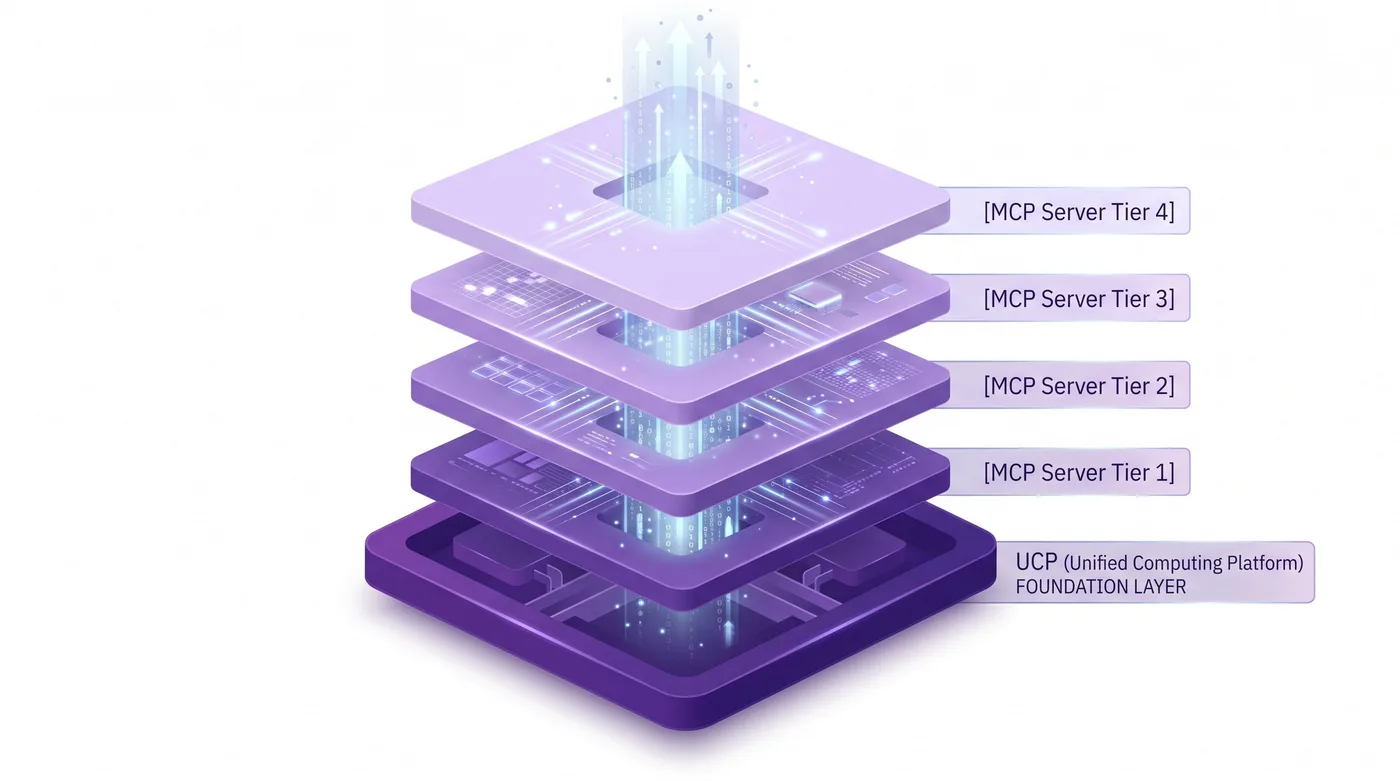
The Universal Commerce Protocol (UCP) is the framework; the MCP servers are the implementations. UCP defines authentication, agent profiles, rate limits, and the tool contract. Every request carries an agent profile reference (hosted at a stable URL) that tells Shopify what the agent is and what trust tier it gets.
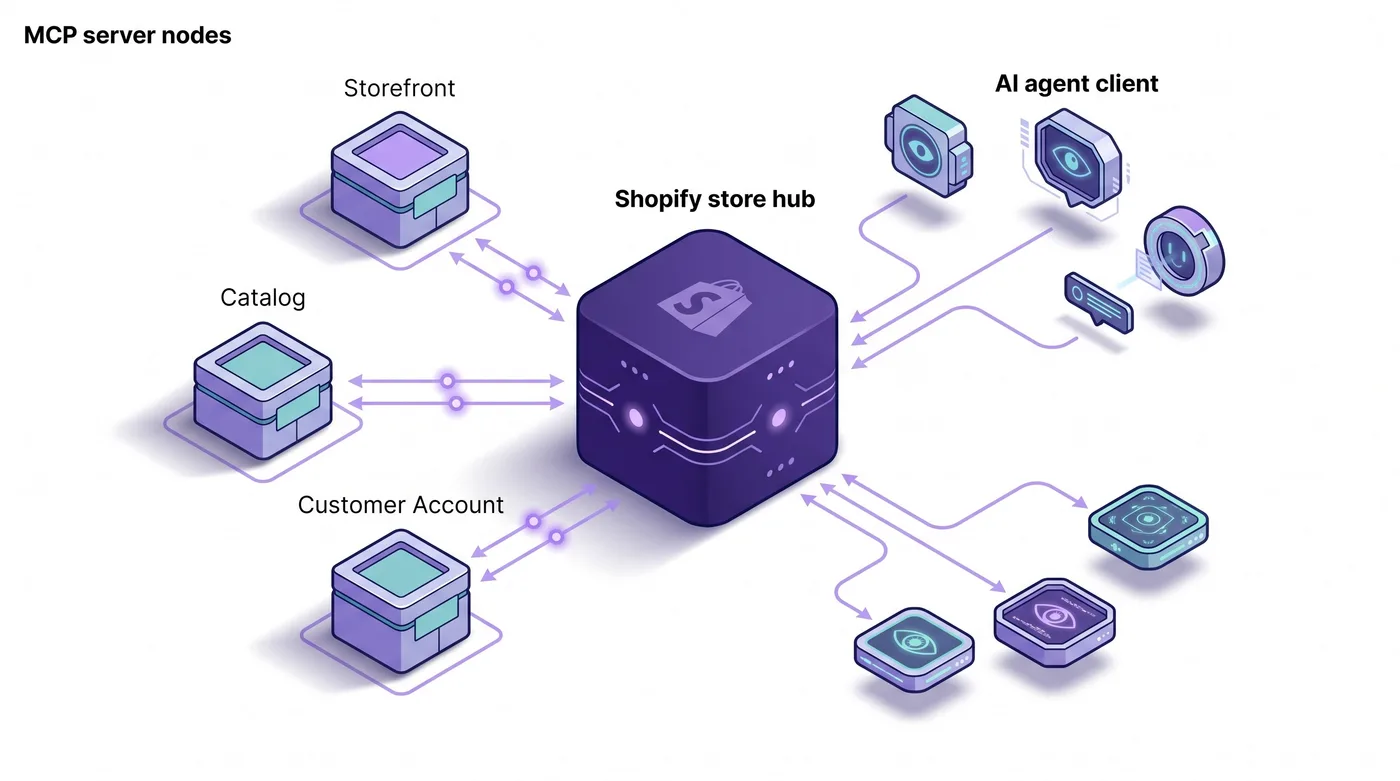
MCP surface | What it is for | Endpoint pattern | Operator reality |
|---|---|---|---|
Storefront MCP | Discovery, cart, checkout for one store |
| Live, real, on every store. Build here. |
Catalog MCP (UCP) | Cross-store global product discovery |
| Real but early. Tools: search_catalog, lookup_catalog, get_product. |
Customer Account MCP | Logged-in buyer: orders, returns | Routed through customer account auth | Real, the highest-impact one for retention, least adopted. |
Dev MCP | AI coding assistants querying Admin | Via Shopify CLI in Claude/Cursor | Useful for your dev team, irrelevant to buyers. |
That is the whole technical layer. Every other "Shopify MCP guide" stretches this into 3,000 words. What it actually needs is a point of view about which of these to spend time on.
Our Call: Build for Storefront MCP, Treat the Rest as Roadmap
Here is the opinion the ecosystem will not state plainly because Shopify markets all four equally: as of mid-2026, Storefront MCP is the only one worth engineering against today.
Storefront MCP is the surface AI agents actually hit in production. On every store, zero install. It powers the natural-language shopping behind the 7x AI traffic number. Agents are already calling it whether or not you optimized for it, so the highest-ROI move is making sure it returns clean product and policy data.
Catalog MCP is interesting (cross-store discovery is the long game) but early; the Catalog API only opened to all developers in March 2026. Building on it today means building on a surface that is still moving.
Customer Account MCP is the one we would prioritize second, and almost nobody is talking about it, because it is what turns a one-time AI purchase into a relationship. That connects to the real problem, below.
Dev MCP is a productivity tool for your engineers, not a commerce surface. It gets lumped into strategy conversations only because it has "MCP" in the name.

What an AI Agent Actually Does Against Your Store
Strip the marketing language. Here is the real sequence when someone shops your store through ChatGPT: the agent queries Catalog or Storefront MCP with a natural-language search, gets ranked products back, builds a cart through Storefront MCP, applies any discount, and either produces a checkout URL the buyer completes in-browser or, with a high enough trust tier, completes the purchase directly through MCP with no browser at all.
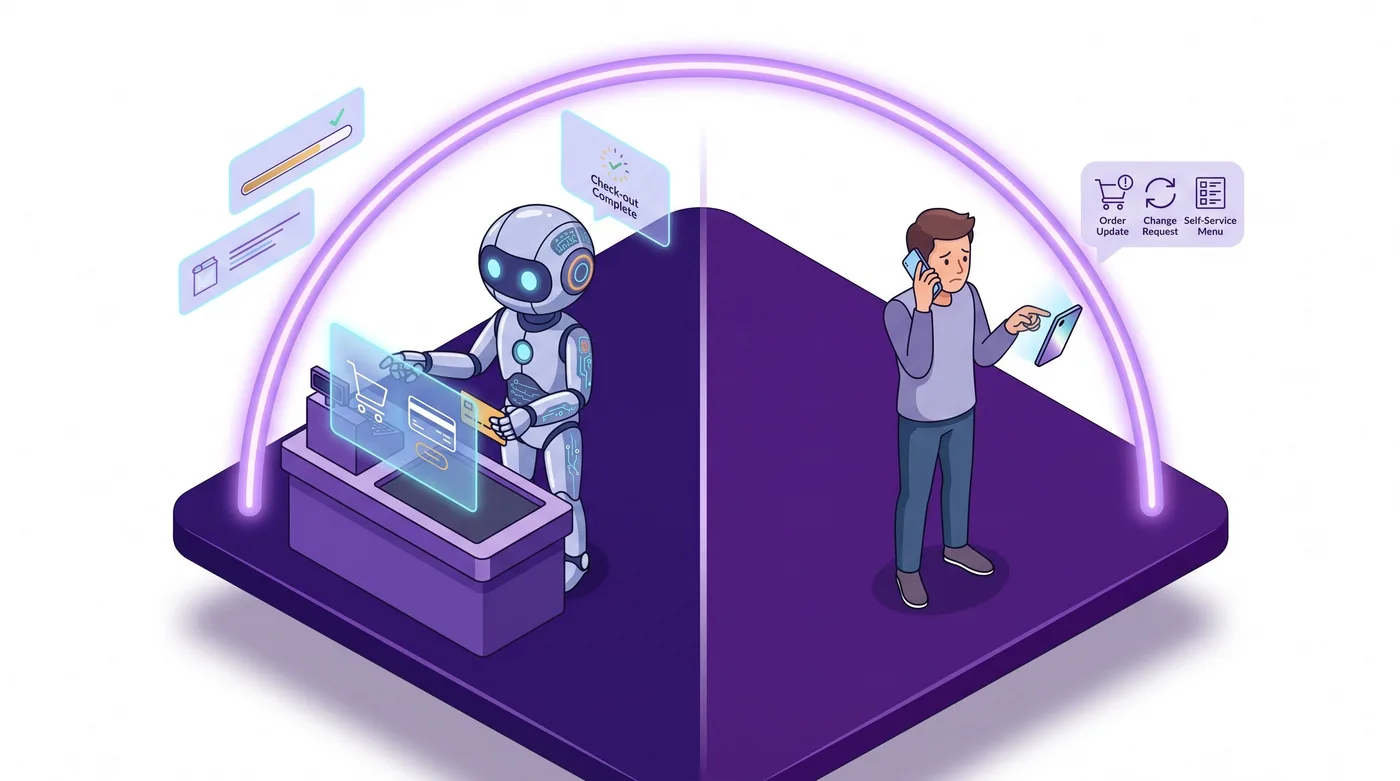
That last clause is where it gets operationally interesting. When an agent completes checkout directly, your customer never saw your checkout page, never saw your post-purchase upsell, never saw your confirmation screen, and often never typed their own shipping address. The agent parsed it from a conversation. The order lands in your admin looking like any other order. It is not. We will come back to this.
The Agent Profile Part People Skip
Every UCP request references an agent profile. Skim guides mention this and move on. It matters more than they imply: the profile decides what an agent is allowed to do to your store.
A baseline profile gets read-only catalog access. A higher trust tier (Shopify-verified agents) unlocks direct checkout, customer account flows, and payment authorization. For custom agents, the practical consequence: you cannot point a script at the endpoint and expect transactional capability. Register a profile, host it at a stable URL, reference it every request. Teams routinely discover this the day they try to ship.
The strategic read: trust tiers mean Shopify, not you, controls which agents transact against your store at full capability. That is the right design, but "support AI agents" is not a switch you flip. It is a posture you adopt as the trust framework matures.
The Problem the MCP Hype Cycle Is Ignoring
This is the part we have not seen any other article say, and it is the entire reason this one exists.
Every AI-mediated order creates a post-purchase relationship that does not match the model every Shopify store is built on. The standard post-purchase flow assumes the customer placed the order themselves: they have the confirmation email, they recognize the order, they know how to find the "edit order" or "track order" link. An AI-placed order breaks all three assumptions.
What we see in practice on AI-attributed orders:
Address parsing errors. The agent extracted "ship to my office" from a chat and resolved it to the wrong saved address. The customer notices an hour later.
Variant mismatches. The buyer said "the blue one," the agent picked a blue variant, but not the blue the buyer meant. This is materially more common on agent orders than on orders a human placed by clicking a swatch.
Quantity misunderstandings. "Get me a couple" became 2 when the customer meant a few, or became 1 when they meant per-person for a group.
No edit relationship. The customer did not check out on your site. They have no muscle memory for where to change anything. They go back to ChatGPT, which currently cannot edit a completed Shopify order, then they email you, frustrated, often outside business hours.
Here is the uncomfortable point: this is a merchant problem, not a Shopify problem, and the MCP roadmap does not solve it. Storefront MCP is excellent at getting the order in. Nothing in the MCP stack handles the customer who needs to change that order after the agent placed it. Customer Account MCP will eventually let an agent look up an order, but "look up" is not "edit," and agent-mediated edits to a completed order are not on the near roadmap.
This is why Customer Account MCP is the one we would prioritize second. The merchants who get ahead of agentic commerce are not the ones who optimized their Catalog MCP feed. They are the ones who built a post-purchase path that works for a customer who never visited their site. Revize exists for exactly this: self-service order editing regardless of how the order originated, including the growing share an AI agent placed. For broader AI commerce context, see our Shopify AI Toolkit Guide 2026.

What Is Real Today vs What Is Roadmap
A clean separation, because the marketing blurs it:
Real and working in production (May 2026):
Natural-language product search via Storefront MCP (one store) and Catalog MCP (cross-store)
Cart building and modification through Storefront MCP
Checkout initiation (cart to checkout URL)
Direct checkout completion for sufficiently trusted agents
Order status lookup through Customer Account MCP for authenticated buyers
Store policy queries (shipping, returns, FAQ) from store data
Roadmap or limited as of May 2026:
B2B catalogs and price lists through Catalog MCP (limited; broader support is Q2 2026 roadmap)
Subscription contract creation through MCP (not broadly available)
Multi-store cart aggregation (a single agent cart spanning merchants)
Agent-mediated edits to a completed order (not on the near roadmap, and the gap this guide is about)
If a vendor is selling you "agentic commerce readiness" that depends on the second list, push back. The first list is what you can build a real merchant strategy on today.
What We Would Actually Do This Quarter
The calls we would make, in priority order:
Verify your Storefront MCP returns clean data. Hit
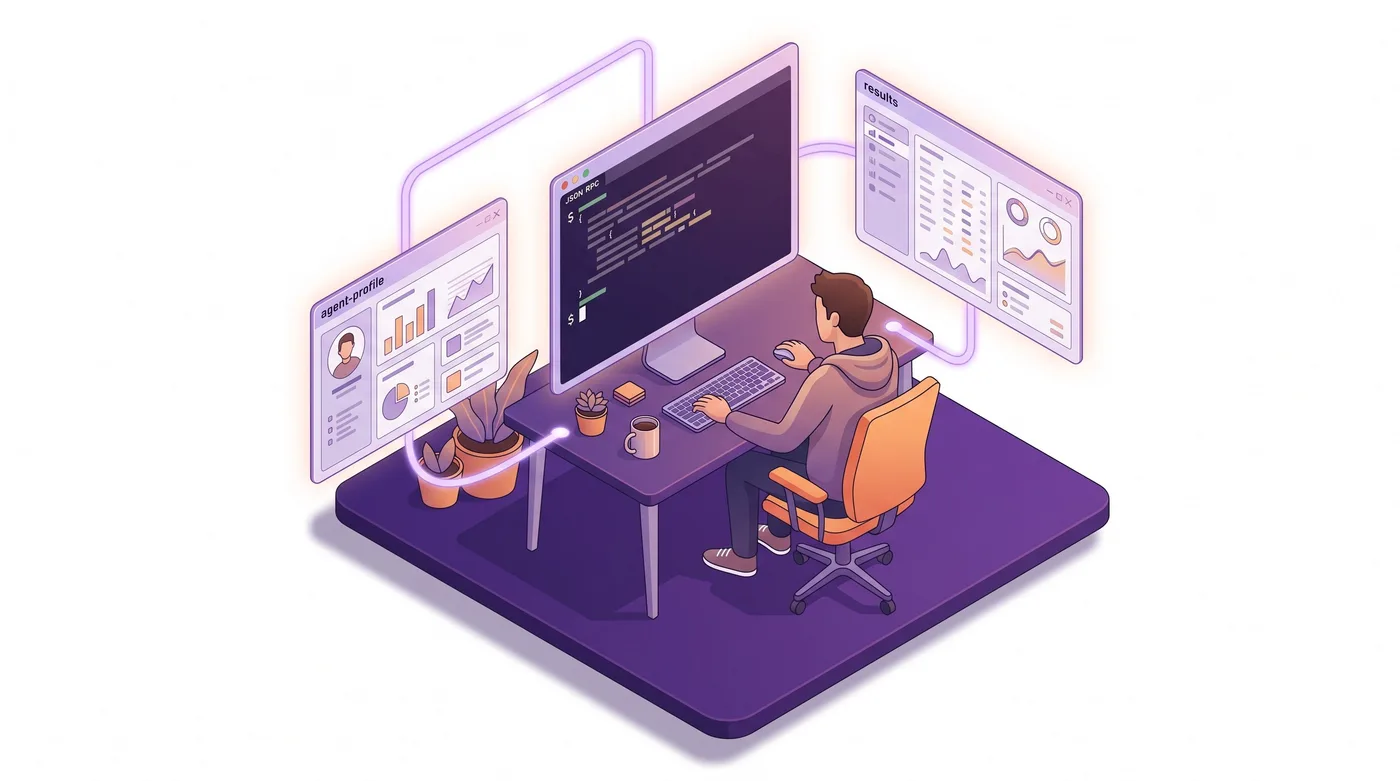
https://{your-shop}.myshopify.com/api/mcpwith atools/listJSON-RPC call on a dev store, then run a real product search and read what an agent sees. Bad product data and missing policy pages are the highest-ROI fix, doable this week.Register an agent profile if building any custom agent. Before you need it, not the day you ship.
Map your post-purchase path for orders you did not take directly. Walk it as a ChatGPT customer. If the only answer to "I need to change my order" is "email support," that is your real gap, not your catalog feed.
Treat Catalog MCP as a watch item until the B2B and subscription gaps close in Q2 2026.
Ignore Dev MCP in strategy. Give it to your engineers and move on.

The Bottom Line
The honest summary of Shopify MCP in 2026: the technical layer is simpler than the ecosystem makes it sound, Storefront MCP is the only surface most merchants should build for today, and the genuinely hard problem (what happens to an AI-placed order afterward) is the one nobody is selling you a solution for.
For developers: build against Storefront MCP, register agent profiles early, map your MCP equivalents to existing Storefront API integrations, and stop waiting for the Catalog MCP B2B story to mature before you ship anything.
For Plus operators and agencies: the competitive edge in agentic commerce is not catalog optimization. It is owning the post-purchase experience for a customer who never visited your site. The merchants who figure that out first will keep the AI-driven revenue. The ones who only optimized for discovery will get the order and lose the customer at the first change request.
Here is what to do this week:
Run a
tools/listcall against your dev store's Storefront MCP endpoint and read the output as an agent wouldAudit your product and policy data for what an agent surfaces
Register an agent profile if building custom agents
Walk your own post-purchase flow as an AI-order customer and find where it breaks
Decide deliberately: are you optimizing for getting AI orders in, keeping AI customers, or both

Frequently Asked Questions
What is the Shopify MCP server endpoint URL?
Every store exposes a Storefront MCP server at https://{shop}.myshopify.com/api/mcp. The separate UCP Catalog endpoint is https://{storeDomain}/api/ucp/mcp with the search_catalog, lookup_catalog, and get_product tools. Customer Account MCP routes through Shopify's customer account authentication. If you build one integration, build it against Storefront MCP.
Which Shopify MCP server should I actually build for?
Storefront MCP, full stop, as of mid-2026. It is on every store, it is what production AI agents hit, and it has no install step. Catalog MCP is real but early, Customer Account MCP is high-impact but under-adopted, and Dev MCP is a developer tool unrelated to buyer-facing commerce. Spreading effort across all four before Storefront MCP is solid is a common and avoidable mistake.
What is the Universal Commerce Protocol (UCP)?
UCP is Shopify's framework defining authentication, agent profiles, rate limits, and the tool contract every Shopify MCP server implements. UCP is the standard; MCP servers are the implementations. The practical consequence of UCP is the agent profile: a required, hosted document on every request that determines an agent's trust tier and therefore what it is allowed to do to your store.
Do I need an agent profile to use Shopify MCP?
Yes, and teams routinely discover this the day they try to ship transactional capability. Every UCP request references an agent profile hosted at a stable URL. Baseline profiles get read-only access; higher trust tiers (Shopify-verified) get direct checkout and customer flows. Register and host your profile before you need it.
Can AI agents complete purchases directly through Shopify MCP?
Yes, but only agents with a sufficient trust tier in their profile. Baseline agents build carts and produce checkout URLs the customer completes in-browser. Trusted agents complete the purchase through MCP with no browser handoff. The operational catch: when that happens, your customer never saw your checkout, never typed their own address, and has no relationship with your post-purchase flow.
Is Shopify MCP available on all plans?
Yes. Every paid Shopify plan has Storefront MCP enabled by default, no install, no extra cost. Plus plans get higher rate limits and earlier access to advanced UCP capabilities, but the endpoint itself is on every store. You are already receiving agent traffic on it whether or not you optimized for it.
How is Catalog MCP different from Storefront MCP?
Storefront MCP is per-store: one merchant's catalog, cart, and checkout. Catalog MCP is the cross-store discovery layer agents query to find products across the Shopify ecosystem. Different endpoints, different tools. Use Storefront MCP for in-store experiences. Treat Catalog MCP as a watch item until its B2B and subscription gaps close (Q2 2026 roadmap).
What actually breaks with AI-placed orders?
From what we see across stores: address parsing errors (agent resolved a vague instruction to the wrong saved address), variant mismatches ("the blue one" was not the blue they meant), quantity misunderstandings, and no edit relationship (the customer never visited your site, so they do not know how to change anything and email you instead). These patterns are materially more common on agent orders than on human-placed orders.
Does Shopify MCP solve post-purchase order changes?
No, and this is the gap worth understanding. Storefront MCP is excellent at getting the order in. Customer Account MCP can look up an order. Nothing in the MCP stack lets a customer (or an agent on their behalf) edit a completed order, and agent-mediated edits are not on the near roadmap. Post-purchase editing for AI orders is a merchant-side problem you solve with your own tooling.
How do I test the Shopify MCP endpoint?
Send a JSON-RPC POST to https://{shop}.myshopify.com/api/mcp with method tools/list on a dev store. That returns the available tools. Include your agent profile reference. Use MCP-compatible clients (Anthropic's MCP Inspector, Cursor, Claude Desktop) for interactive testing. Then run a real product search and read the response as an agent would see it; that is the highest-value thing you can check.
Should I use structured data or special markup for AI visibility?
No special AI markup. Google's own guidance is explicit that LLMS.txt files and AI-specific schema are not required or necessary, and that its AI features use core Search ranking on regular crawlable content. Keep structured data for classic rich-result eligibility, not as an AI lever. Write genuinely useful content; that is the actual mechanism.
What is the single highest-ROI MCP action this week?
Run a real product search through your store's Storefront MCP endpoint and read exactly what an AI agent sees. Most stores have never done this. Missing policy pages, thin product data, and unclear variant naming are surfacing to every agent right now, and fixing them is faster and higher-impact than any roadmap feature.
Related Articles
Shopify AI Toolkit Guide 2026: Agents, MCP, and UCP Explained: the broader AI commerce stack
How to Sell on ChatGPT With Shopify: merchant-facing ChatGPT integration
The Universal Commerce Protocol (UCP): UCP deep dive
20 Shopify Flow AI Prompts for Plus Operators: the operator-side AI surface
Shopify Order Management 2026: the post-purchase layer shopify mcp orders land in
Shopify MCP 2026: the operator's 15-second read
Storefront MCP is the only one that matters right now. Every store has it at
https://{shop}.myshopify.com/api/mcp. The others (Catalog, Customer Account, Dev) are real but earlier-stage. Build for Storefront MCP first; treat the rest as roadmap.UCP is the standard; MCP servers are the implementations. Agent profiles are mandatory on every UCP request and decide what an agent is allowed to do.
The AI-order growth is real: AI traffic to Shopify stores up 7x, AI-attributed orders up 11x since January 2025 (Q3 2025 earnings).
The thing nobody tells you: an AI agent places the order, not the customer. When that customer wants to change the order an hour later, the normal post-purchase flow does not exist. This is the unsolved problem in agentic commerce, and it is a merchant problem, not a Shopify one.
What to do this week: test the Storefront MCP endpoint on a dev store, register an agent profile, and map your post-purchase edit flow for orders you did not directly take.
Shopify MCP is the most over-explained and under-examined topic in Shopify development right now. Every agency blog has published the same "what is MCP" post: the servers, the endpoints, the Universal Commerce Protocol. All technically correct, all commodity. None answer the question a Plus operator actually has, which is not "what is MCP" but "what changes about how my store runs once AI agents are placing orders through it."
We run a post-purchase order-editing app used across thousands of Shopify stores. We see what happens after the order lands. So this is the operator view: which parts of Shopify MCP are real today, which are roadmap dressed up as features, and the operational problem the hype cycle is ignoring.

The Short Version of the Technical Layer
You need the architecture to follow the argument, so here it is fast.
MCP (Model Context Protocol) is an open standard for AI agents to discover and call tools through a consistent server interface. Shopify announced its agentic commerce platform on January 11, 2026, built on UCP-compliant MCP servers. By Q1 2026 every store had an MCP endpoint live by default.
The Universal Commerce Protocol (UCP) is the framework; the MCP servers are the implementations. UCP defines authentication, agent profiles, rate limits, and the tool contract. Every request carries an agent profile reference (hosted at a stable URL) that tells Shopify what the agent is and what trust tier it gets.
MCP surface | What it is for | Endpoint pattern | Operator reality |
|---|---|---|---|
Storefront MCP | Discovery, cart, checkout for one store |
| Live, real, on every store. Build here. |
Catalog MCP (UCP) | Cross-store global product discovery |
| Real but early. Tools: search_catalog, lookup_catalog, get_product. |
Customer Account MCP | Logged-in buyer: orders, returns | Routed through customer account auth | Real, the highest-impact one for retention, least adopted. |
Dev MCP | AI coding assistants querying Admin | Via Shopify CLI in Claude/Cursor | Useful for your dev team, irrelevant to buyers. |
That is the whole technical layer. Every other "Shopify MCP guide" stretches this into 3,000 words. What it actually needs is a point of view about which of these to spend time on.
Our Call: Build for Storefront MCP, Treat the Rest as Roadmap
Here is the opinion the ecosystem will not state plainly because Shopify markets all four equally: as of mid-2026, Storefront MCP is the only one worth engineering against today.
Storefront MCP is the surface AI agents actually hit in production. On every store, zero install. It powers the natural-language shopping behind the 7x AI traffic number. Agents are already calling it whether or not you optimized for it, so the highest-ROI move is making sure it returns clean product and policy data.
Catalog MCP is interesting (cross-store discovery is the long game) but early; the Catalog API only opened to all developers in March 2026. Building on it today means building on a surface that is still moving.
Customer Account MCP is the one we would prioritize second, and almost nobody is talking about it, because it is what turns a one-time AI purchase into a relationship. That connects to the real problem, below.
Dev MCP is a productivity tool for your engineers, not a commerce surface. It gets lumped into strategy conversations only because it has "MCP" in the name.

What an AI Agent Actually Does Against Your Store
Strip the marketing language. Here is the real sequence when someone shops your store through ChatGPT: the agent queries Catalog or Storefront MCP with a natural-language search, gets ranked products back, builds a cart through Storefront MCP, applies any discount, and either produces a checkout URL the buyer completes in-browser or, with a high enough trust tier, completes the purchase directly through MCP with no browser at all.
That last clause is where it gets operationally interesting. When an agent completes checkout directly, your customer never saw your checkout page, never saw your post-purchase upsell, never saw your confirmation screen, and often never typed their own shipping address. The agent parsed it from a conversation. The order lands in your admin looking like any other order. It is not. We will come back to this.
The Agent Profile Part People Skip
Every UCP request references an agent profile. Skim guides mention this and move on. It matters more than they imply: the profile decides what an agent is allowed to do to your store.
A baseline profile gets read-only catalog access. A higher trust tier (Shopify-verified agents) unlocks direct checkout, customer account flows, and payment authorization. For custom agents, the practical consequence: you cannot point a script at the endpoint and expect transactional capability. Register a profile, host it at a stable URL, reference it every request. Teams routinely discover this the day they try to ship.
The strategic read: trust tiers mean Shopify, not you, controls which agents transact against your store at full capability. That is the right design, but "support AI agents" is not a switch you flip. It is a posture you adopt as the trust framework matures.
The Problem the MCP Hype Cycle Is Ignoring
This is the part we have not seen any other article say, and it is the entire reason this one exists.
Every AI-mediated order creates a post-purchase relationship that does not match the model every Shopify store is built on. The standard post-purchase flow assumes the customer placed the order themselves: they have the confirmation email, they recognize the order, they know how to find the "edit order" or "track order" link. An AI-placed order breaks all three assumptions.
What we see in practice on AI-attributed orders:
Address parsing errors. The agent extracted "ship to my office" from a chat and resolved it to the wrong saved address. The customer notices an hour later.
Variant mismatches. The buyer said "the blue one," the agent picked a blue variant, but not the blue the buyer meant. This is materially more common on agent orders than on orders a human placed by clicking a swatch.
Quantity misunderstandings. "Get me a couple" became 2 when the customer meant a few, or became 1 when they meant per-person for a group.
No edit relationship. The customer did not check out on your site. They have no muscle memory for where to change anything. They go back to ChatGPT, which currently cannot edit a completed Shopify order, then they email you, frustrated, often outside business hours.
Here is the uncomfortable point: this is a merchant problem, not a Shopify problem, and the MCP roadmap does not solve it. Storefront MCP is excellent at getting the order in. Nothing in the MCP stack handles the customer who needs to change that order after the agent placed it. Customer Account MCP will eventually let an agent look up an order, but "look up" is not "edit," and agent-mediated edits to a completed order are not on the near roadmap.
This is why Customer Account MCP is the one we would prioritize second. The merchants who get ahead of agentic commerce are not the ones who optimized their Catalog MCP feed. They are the ones who built a post-purchase path that works for a customer who never visited their site. Revize exists for exactly this: self-service order editing regardless of how the order originated, including the growing share an AI agent placed. For broader AI commerce context, see our Shopify AI Toolkit Guide 2026.

What Is Real Today vs What Is Roadmap
A clean separation, because the marketing blurs it:
Real and working in production (May 2026):
Natural-language product search via Storefront MCP (one store) and Catalog MCP (cross-store)
Cart building and modification through Storefront MCP
Checkout initiation (cart to checkout URL)
Direct checkout completion for sufficiently trusted agents
Order status lookup through Customer Account MCP for authenticated buyers
Store policy queries (shipping, returns, FAQ) from store data
Roadmap or limited as of May 2026:
B2B catalogs and price lists through Catalog MCP (limited; broader support is Q2 2026 roadmap)
Subscription contract creation through MCP (not broadly available)
Multi-store cart aggregation (a single agent cart spanning merchants)
Agent-mediated edits to a completed order (not on the near roadmap, and the gap this guide is about)
If a vendor is selling you "agentic commerce readiness" that depends on the second list, push back. The first list is what you can build a real merchant strategy on today.
What We Would Actually Do This Quarter
The calls we would make, in priority order:
Verify your Storefront MCP returns clean data. Hit
https://{your-shop}.myshopify.com/api/mcpwith atools/listJSON-RPC call on a dev store, then run a real product search and read what an agent sees. Bad product data and missing policy pages are the highest-ROI fix, doable this week.Register an agent profile if building any custom agent. Before you need it, not the day you ship.
Map your post-purchase path for orders you did not take directly. Walk it as a ChatGPT customer. If the only answer to "I need to change my order" is "email support," that is your real gap, not your catalog feed.
Treat Catalog MCP as a watch item until the B2B and subscription gaps close in Q2 2026.
Ignore Dev MCP in strategy. Give it to your engineers and move on.

The Bottom Line
The honest summary of Shopify MCP in 2026: the technical layer is simpler than the ecosystem makes it sound, Storefront MCP is the only surface most merchants should build for today, and the genuinely hard problem (what happens to an AI-placed order afterward) is the one nobody is selling you a solution for.
For developers: build against Storefront MCP, register agent profiles early, map your MCP equivalents to existing Storefront API integrations, and stop waiting for the Catalog MCP B2B story to mature before you ship anything.
For Plus operators and agencies: the competitive edge in agentic commerce is not catalog optimization. It is owning the post-purchase experience for a customer who never visited your site. The merchants who figure that out first will keep the AI-driven revenue. The ones who only optimized for discovery will get the order and lose the customer at the first change request.
Here is what to do this week:
Run a
tools/listcall against your dev store's Storefront MCP endpoint and read the output as an agent wouldAudit your product and policy data for what an agent surfaces
Register an agent profile if building custom agents
Walk your own post-purchase flow as an AI-order customer and find where it breaks
Decide deliberately: are you optimizing for getting AI orders in, keeping AI customers, or both

Frequently Asked Questions
What is the Shopify MCP server endpoint URL?
Every store exposes a Storefront MCP server at https://{shop}.myshopify.com/api/mcp. The separate UCP Catalog endpoint is https://{storeDomain}/api/ucp/mcp with the search_catalog, lookup_catalog, and get_product tools. Customer Account MCP routes through Shopify's customer account authentication. If you build one integration, build it against Storefront MCP.
Which Shopify MCP server should I actually build for?
Storefront MCP, full stop, as of mid-2026. It is on every store, it is what production AI agents hit, and it has no install step. Catalog MCP is real but early, Customer Account MCP is high-impact but under-adopted, and Dev MCP is a developer tool unrelated to buyer-facing commerce. Spreading effort across all four before Storefront MCP is solid is a common and avoidable mistake.
What is the Universal Commerce Protocol (UCP)?
UCP is Shopify's framework defining authentication, agent profiles, rate limits, and the tool contract every Shopify MCP server implements. UCP is the standard; MCP servers are the implementations. The practical consequence of UCP is the agent profile: a required, hosted document on every request that determines an agent's trust tier and therefore what it is allowed to do to your store.
Do I need an agent profile to use Shopify MCP?
Yes, and teams routinely discover this the day they try to ship transactional capability. Every UCP request references an agent profile hosted at a stable URL. Baseline profiles get read-only access; higher trust tiers (Shopify-verified) get direct checkout and customer flows. Register and host your profile before you need it.
Can AI agents complete purchases directly through Shopify MCP?
Yes, but only agents with a sufficient trust tier in their profile. Baseline agents build carts and produce checkout URLs the customer completes in-browser. Trusted agents complete the purchase through MCP with no browser handoff. The operational catch: when that happens, your customer never saw your checkout, never typed their own address, and has no relationship with your post-purchase flow.
Is Shopify MCP available on all plans?
Yes. Every paid Shopify plan has Storefront MCP enabled by default, no install, no extra cost. Plus plans get higher rate limits and earlier access to advanced UCP capabilities, but the endpoint itself is on every store. You are already receiving agent traffic on it whether or not you optimized for it.
How is Catalog MCP different from Storefront MCP?
Storefront MCP is per-store: one merchant's catalog, cart, and checkout. Catalog MCP is the cross-store discovery layer agents query to find products across the Shopify ecosystem. Different endpoints, different tools. Use Storefront MCP for in-store experiences. Treat Catalog MCP as a watch item until its B2B and subscription gaps close (Q2 2026 roadmap).
What actually breaks with AI-placed orders?
From what we see across stores: address parsing errors (agent resolved a vague instruction to the wrong saved address), variant mismatches ("the blue one" was not the blue they meant), quantity misunderstandings, and no edit relationship (the customer never visited your site, so they do not know how to change anything and email you instead). These patterns are materially more common on agent orders than on human-placed orders.
Does Shopify MCP solve post-purchase order changes?
No, and this is the gap worth understanding. Storefront MCP is excellent at getting the order in. Customer Account MCP can look up an order. Nothing in the MCP stack lets a customer (or an agent on their behalf) edit a completed order, and agent-mediated edits are not on the near roadmap. Post-purchase editing for AI orders is a merchant-side problem you solve with your own tooling.
How do I test the Shopify MCP endpoint?
Send a JSON-RPC POST to https://{shop}.myshopify.com/api/mcp with method tools/list on a dev store. That returns the available tools. Include your agent profile reference. Use MCP-compatible clients (Anthropic's MCP Inspector, Cursor, Claude Desktop) for interactive testing. Then run a real product search and read the response as an agent would see it; that is the highest-value thing you can check.
Should I use structured data or special markup for AI visibility?
No special AI markup. Google's own guidance is explicit that LLMS.txt files and AI-specific schema are not required or necessary, and that its AI features use core Search ranking on regular crawlable content. Keep structured data for classic rich-result eligibility, not as an AI lever. Write genuinely useful content; that is the actual mechanism.
What is the single highest-ROI MCP action this week?
Run a real product search through your store's Storefront MCP endpoint and read exactly what an AI agent sees. Most stores have never done this. Missing policy pages, thin product data, and unclear variant naming are surfacing to every agent right now, and fixing them is faster and higher-impact than any roadmap feature.
Related Articles
Shopify AI Toolkit Guide 2026: Agents, MCP, and UCP Explained: the broader AI commerce stack
How to Sell on ChatGPT With Shopify: merchant-facing ChatGPT integration
The Universal Commerce Protocol (UCP): UCP deep dive
20 Shopify Flow AI Prompts for Plus Operators: the operator-side AI surface
Shopify Order Management 2026: the post-purchase layer shopify mcp orders land in
Revize your Shopify store. Lead with customer experience.
© Copyright 2024, All Rights Reserved
Revize your Shopify store. Lead with customer experience.
© Copyright 2024, All Rights Reserved
Revize your Shopify store. Lead with customer experience.
© Copyright 2024, All Rights Reserved
Revize your Shopify store. Lead with customer experience.
© Copyright 2024, All Rights Reserved